Birth Preparation: How Pelvic Floor Therapy Can Help You Prepare for Labor and Delivery
Many women assume pelvic floor therapy is something you do after having a baby. In reality, pelvic floor physical therapy can be a valuable part of preparing for labor, delivery, and recovery. During pregnancy, your body undergoes significant changes, and understanding how your pelvic floor functions can help you feel more confident and prepared as your due date approaches.
What is Pelvic Floor Therapy?
Pelvic floor physical therapy is a specialized form of physical therapy that focuses on strengthening, relaxing, and retraining the muscles of the pelvic floor. These muscles support vital functions like bladder and bowel control, sexual health, and core stability. When they become too weak, too tight, or uncoordinated, it can lead to discomfort, pain, and dysfunction in daily life.
During sessions, we also look outside the pelvis itself and check the whole body as that can contribute to how the pelvis and pelvic floor function. We may include assessing posture, core and hip strength, spinal mobility, hip mobility, breathing mechanics, and even foot posture.
Pelvic Floor Therapy & Pregnancy
Pregnancy is an incredible journey, but it also brings significant changes to your body. As your baby grows, your posture, muscles, and joints adapt, sometimes leading to discomfort, pain, or weakness. A pelvic floor physical therapist specializes in helping expecting mothers navigate these changes while preparing for a smoother birth and postpartum recovery.
What is Birth Preparation?
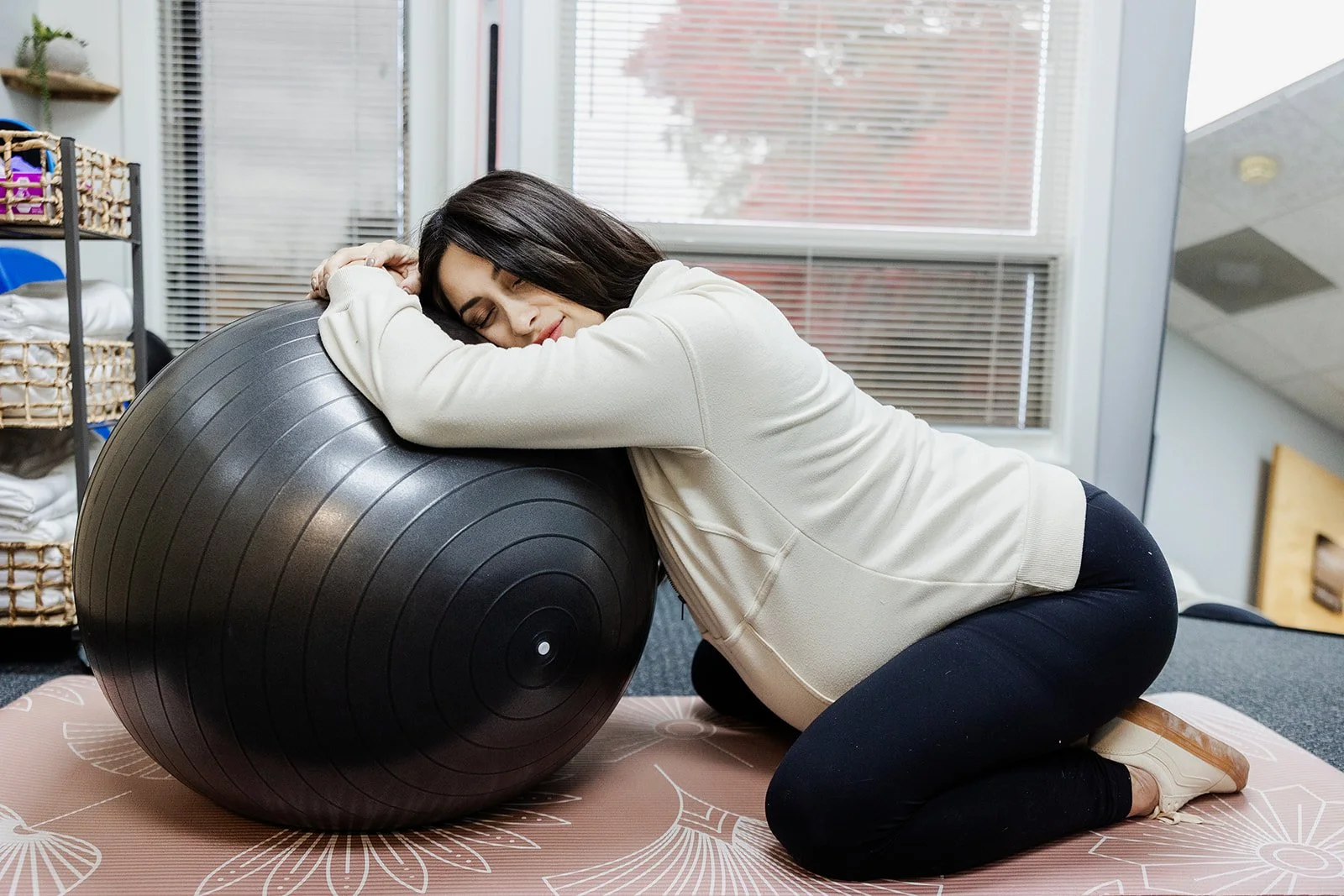
Birth preparation goes beyond childbirth classes—it includes helping your body function optimally for labor and delivery.
Many people assume the pelvic floor only needs to be strong, but learning how to relax these muscles is just as important. During labor, your pelvic floor needs to lengthen and coordinate with your breathing and pushing efforts to help your baby move through the birth canal.
As part of birth preparation, a pelvic floor physical therapist may also perform an internal assessment (with your consent) to evaluate pelvic floor muscle tension, coordination, and your ability to relax and lengthen these muscles. This information helps guide treatment and provides valuable insight into how your body may function during labor and delivery.
A pelvic floor physical therapist can guide you in techniques such as:
Perineal massage
Breathing exercises
Labor positions that encourage pelvic floor relaxation
Effective pushing mechanics
Strategies to reduce fear and tension surrounding birth
Pain management strategies with and without a support person
Birth prep stretches and exercises
If you have concerns about tearing, a history of trauma, or anxiety around birth, we provide education and strategies to help you feel empowered and prepared.
How Pelvic Floor Therapy Supports Birth Preparation
Here are some of the ways pelvic floor therapy can help you prepare for labor and delivery:
Education & Confidence
One of the most valuable aspects of pelvic floor therapy during pregnancy is understanding what is happening in your body.
We help you:
Understand common pregnancy-related symptoms
Learn what is normal and what may benefit from treatment
Address concerns about labor and delivery
Feel more confident heading into birth
Pelvic Floor Relaxation
Many pregnant women are surprised to learn that an overly tight pelvic floor can create challenges during labor.
We teach:
Techniques to reduce unnecessary tension
Breathing exercises that encourage relaxation
Positions that support pelvic floor lengthening
Strategies to connect with your body during labor
Labor & Delivery Preparation
Preparing for labor isn't just about waiting for contractions to begin.
Pelvic floor therapy can help you:
Explore different labor and birth positions
Learn how position changes may help labor progress
Practice effective pushing mechanics
Coordinate your abdominal muscles, breathing, and pelvic floor
Avoid excessive straining during delivery
Learning how to push before labor begins can help you feel more connected to your body and more prepared when the time comes.
Managing Pregnancy-Related Discomfort
As your body adjusts to pregnancy, you may experience back pain, pelvic pain, sciatica, or pressure in the pelvis.
A pelvic floor physical therapist can assess movement patterns, posture, and muscle function to address the root causes of discomfort. Through hands-on techniques, gentle exercises, and lifestyle modifications, we help relieve pain and keep you moving comfortably throughout pregnancy.
We also focus on core and pelvic floor coordination to help reduce the risk of issues such as incontinence and pelvic organ prolapse.
Is Pelvic Floor Therapy Only For High-Risk Pregnancies?
The short answer is no.
Pelvic floor physical therapy can benefit:
First-time moms
Moms with multiple pregnancies
Women planning vaginal deliveries
Women planning cesarean births
Every pregnancy is unique, and treatment is tailored to your individual needs, goals, and concerns.
When Should You Start Pelvic Floor Therapy During Pregnancy?
It's never too early to start pelvic floor physical therapy during pregnancy.
For women with healthy pregnancies and no significant symptoms, we often recommend scheduling pelvic floor therapy visits around the same frequency as prenatal appointments. Every situation is different, however, and women experiencing pain, pelvic floor dysfunction, or other concerns may benefit from more frequent visits.
Even a few sessions before delivery can provide valuable education, birth preparation strategies, and peace of mind.
Frequently Asked Questions About First Pelvic Floor PT Visits
Can pelvic floor therapy make labor easier?
While no therapy can guarantee a specific birth experience, pelvic floor physical therapy can help you better understand your body, improve coordination, and feel more prepared for labor.
Do I need pelvic floor therapy if I don't have symptoms?
Yes. Many women seek pelvic floor therapy proactively for education, birth preparation, and prevention.
Can pelvic floor therapy help if I'm planning a cesarean birth?
Absolutely. Pelvic floor therapy can help manage pregnancy discomfort, prepare your body for surgery, and support recovery afterward.
Be sure to check out our blog on c-section scar massage to learn more about recovery after cesarean birth.
Preparing for Birth with Confidence
Preparing for birth isn't just about packing a hospital bag or taking a childbirth class. Pelvic floor therapy can help you understand your body, improve comfort during pregnancy, learn effective pushing and relaxation strategies, and approach labor with greater confidence.
Whether you're planning a vaginal delivery or a cesarean birth, pelvic floor therapy can be a valuable part of your birth preparation journey.
What to Expect at Chicago Mama Physical Therapy
With personalized pelvic floor therapy, our goal is to empower you to care for yourself and feel confident throughout your pregnancy journey—and beyond.
Here's what you can expect:
One-on-one, hour-long sessions
A private, tranquil treatment room
Consistent care with the same therapist each visit
A specialist trained in pelvic health and pregnancy/postpartum care
A whole-body treatment approach tailored to your goals
A clear, supportive roadmap for labor preparation, pain management, delivery, and postpartum recovery
Ready to Prepare for Labor and Delivery?
If you're ready to take the next step, we're here for you.
Schedule your free discovery call to learn how pelvic floor therapy can support you throughout pregnancy, birth, and recovery.
If you're in Barrington, IL, or the surrounding Northwest suburbs, visit chicagomamapt.com/contact or call 312-554-5146.