Is Lifting Weights Bad for Your Pelvic Floor?
Is lifting weights bad for your pelvic floor? The short answer is no. Lifting weights is not inherently bad for your pelvic floor and it can actually be very beneficial. The key is pressure management, correct form, and proper progression.
Many people think that lifting weights can add pressure to their pelvic floor that will make any issues such as leakage during workouts, pelvic heaviness or pressure, or their postpartum recovery worse. But if you are breathing correctly, using proper form, and building strength gradually, lifting weights can actually improve pelvic floor strength.
Can Lifting Weights Cause Pelvic Floor Problems?
While lifting weights itself is not harmful to the pelvic floor, problems can occur when pressure is not well managed. Symptoms like urinary leakage, pelvic heaviness, or abdominal coning during exercise can be signs that the pelvic floor and core muscles are not coordinating properly.
When the core, diaphragm, and pelvic floor are working together, your body is able to manage the increase in pressure that happens during strength training. If that coordination is off, the pelvic floor may struggle to support that pressure.
Working with a pelvic floor physical therapist can help you learn how to manage pressure, breathe properly during lifts, and safely return to strength training.
At Chicago Mama Physical Therapy, we help women in Barrington, IL and the surrounding Northwest suburbs safely return to exercise and strength training after pelvic floor concerns.
How Lifting Weights Affects the Pelvic Floor
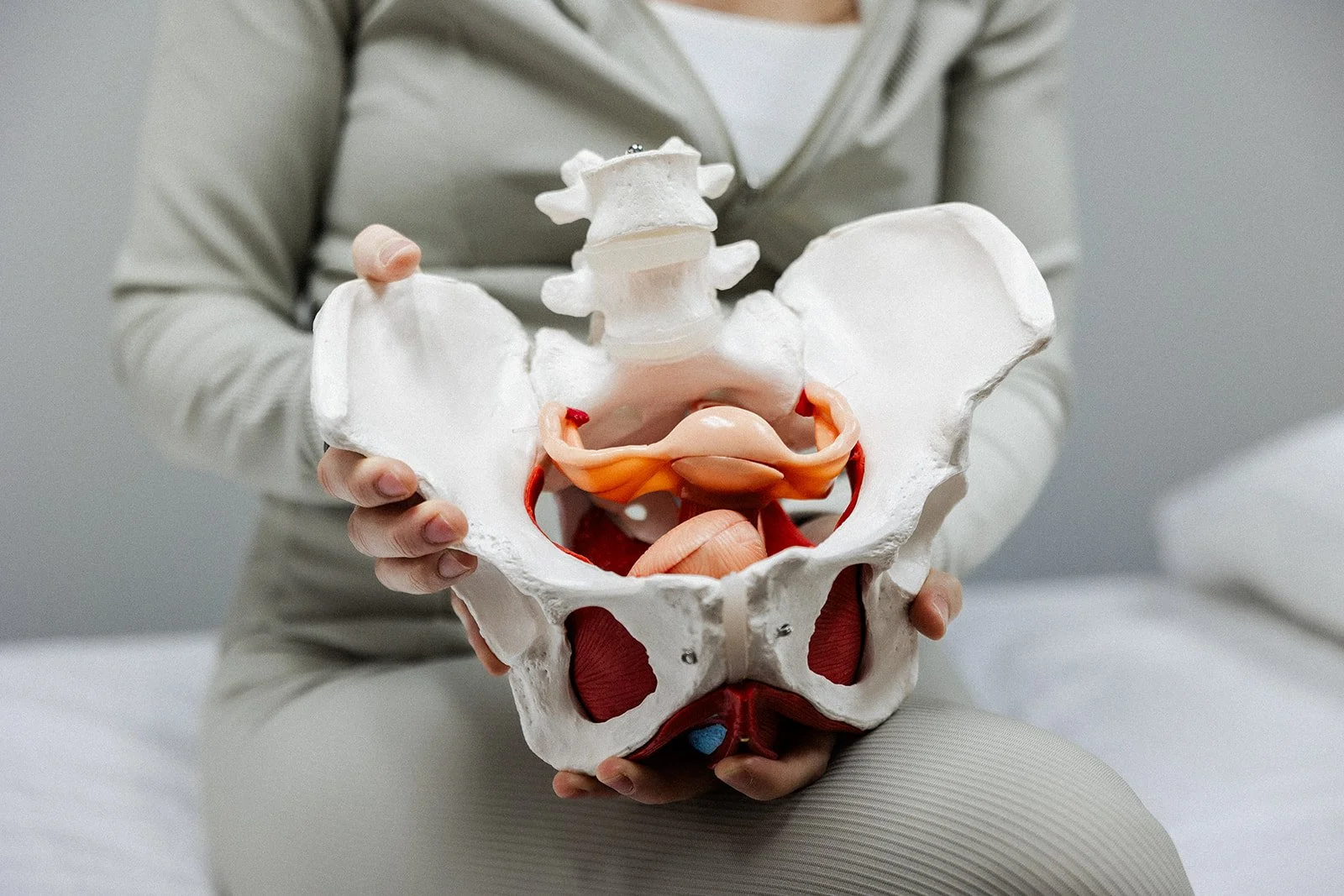
The pelvic floor is a hammock-shaped, multi-layered network of muscles, ligaments, and connective tissue stretching from the pubic bone to the tailbone. It supports the bladder, uterus, and rectum.
When you lift weights, it increases the intra-abdominal pressure, which is a fancy way of saying the pressure within the abdominal cavity. It’s the pressure exerted by the abdominal organs against the abdominal wall and the structures that enclose them, such as muscles, fascia, and connective tissue.
When the system works well, the core, diaphragm, and pelvic floor coordinate together.
How Do We Manage Intra-Abdominal Pressure?
We manage intra-abdominal pressure with breath and muscle coordination. How we breathe helps us manage pressure (or mismanage it).
Symptoms associated with not properly managing pressure could include:
Coning of the abdominal wall (center portion pushes out further than the rest of the abdomen)
Hernias
Heaviness or pressure in the pelvic floor
Urinary leakage
These symptoms could be a sign that pressure is not being properly managed and that the core muscles are not coordinating with one another.
Why Am I Leaking When I Lift Weights
Leaking urine during exercise is more common than many people realize, especially during activities like lifting weights, jumping, or running- but never normal.
This type of leaking often happens when the pelvic floor muscles are not coordinating well with the rest of the core system. During lifting, pressure builds inside the abdomen. If the pelvic floor is not able to respond effectively to that pressure, leakage can occur.
This does not mean you have to stop lifting weights. In many cases, simple changes such as improving breath coordination, adjusting technique, and strengthening the right muscles can significantly reduce or eliminate symptoms. And it isn’t just the pelvic floor that often needs to be strengthened- gluts, hamstring, adductors, are just a few we would look at.
A pelvic floor physical therapist can help identify what is happening in your body and create a plan to help you return to exercise with confidence.
Signs Your Pelvic Floor Needs Support During Lifting
Here are some common signs that your pelvic floor needs some support during lifting:
leaking urine
pelvic heaviness or bulging
low back or hip compensation
breath holding or straining
pain with lifting
These are signals from your body that you may need to adjust your technique or get guidance from a professional.
Tips for Lifting Weights Safely With Your Pelvic Floor
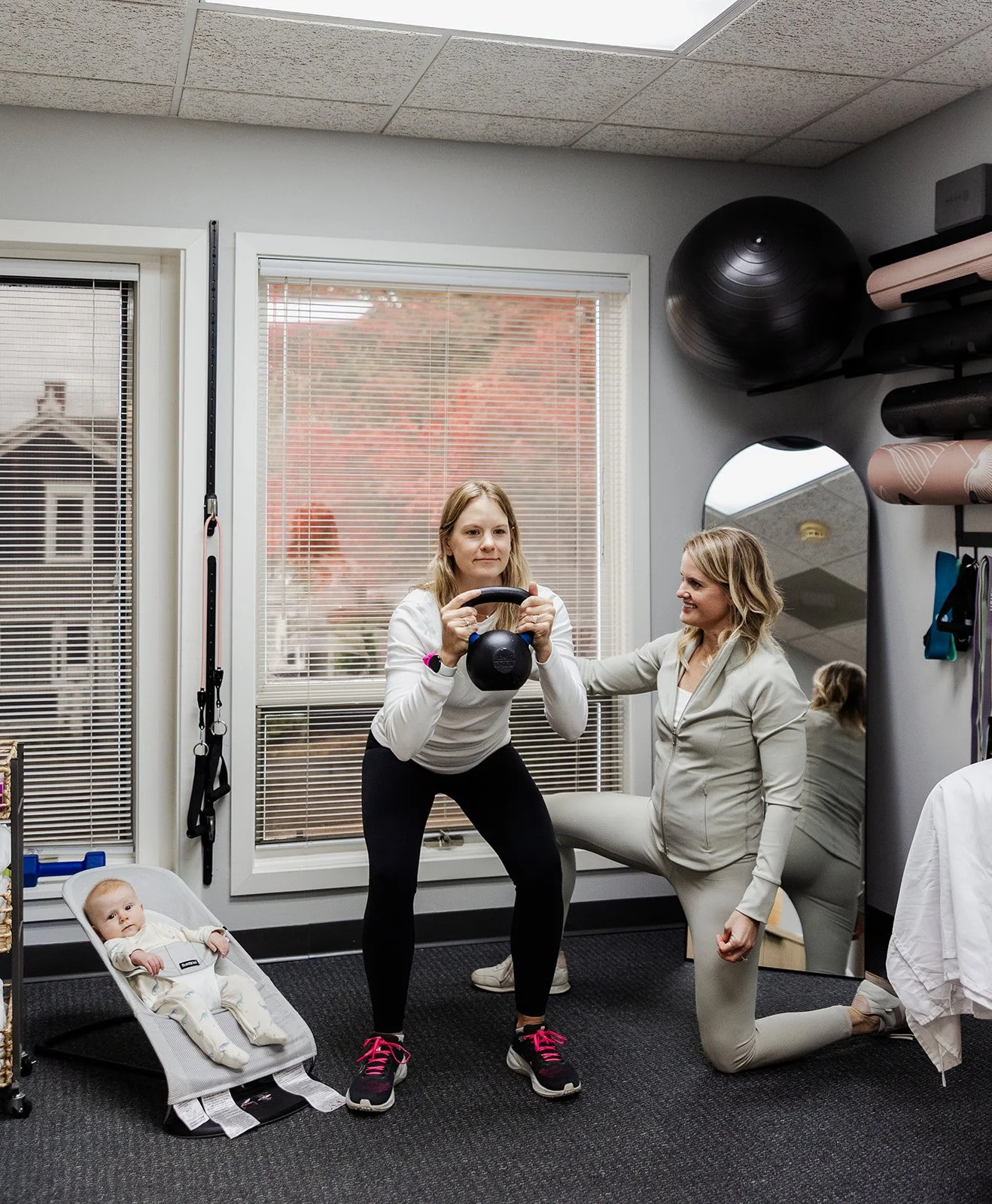
At Chicago Mama Physical Therapy, we love to work with women on proper lifting form. Some of the most common pieces of advice we give are:
Exhale during the hardest part of the lift
Avoid holding your breath
Build strength gradually
Focus on full-body strength
If symptoms appear, we recommend working with a pelvic floor therapist.
Strength training should not be avoided. With proper guidance, lifting weights can actually improve pelvic floor strength, support, and confidence.
What to Expect at Chicago Mama Physical Therapy
Our goal is to empower you to take care of yourself and feel confident in your fitness journey.
Here’s what you can expect:
One-on-one, hour-long sessions
A private, tranquil treatment room
Consistent care with the same therapist each visit
A specialist trained in pelvic health and pregnancy/postpartum care
A whole-body treatment approach tailored to your goals
A clear, supportive roadmap to help you succeed and meet your fitness goals
Next Steps for Healing
If you’re ready to take the next step, we’re here for you. Schedule your free discovery call to learn how pelvic floor therapy can support your fitness journey.
If you’re in Barrington, IL or the surrounding Northwest suburbs, visit chicagomamapt.com/contact or call 312-554-5146.
Frequently Asked Questions About First Pelvic Floor PT Visits
Should I avoid lifting weights with pelvic floor issues?
Not necessarily. Many people can continue lifting weights safely with proper breathing, form, and pressure management. A pelvic floor physical therapist can help guide modifications if symptoms occur.
Can lifting weights cause urinary leakage?
Leaking during workouts can happen if the pelvic floor muscles are not coordinating well with the core and diaphragm. This is common but treatable with pelvic floor physical therapy.
Is strength training good for the pelvic floor?
Yes. Strength training can improve pelvic floor function when done with proper breathing and technique. Building overall strength can help support the pelvic floor and improve confidence with movement and exercise.