Pregnancy is a time filled with a range of emotions and experiences. Your body is constantly changing as you grow new life inside of you. It can be hard to know what is a normal part of the process and when to seek outside help.
Pelvic pressure is common during pregnancy, particularly as your baby grows. But common doesn't necessarily mean you should ignore it or simply deal with it. There are many reasons why you might experience pressure or heaviness during pregnancy, and understanding what may be contributing to this feeling can help you know when to contact your OB or midwife or a pelvic floor physical therapist.
What Does Pelvic Pressure During Pregnancy Feel Like?
Pelvic pressure can feel different from person to person. You may experience:
Heaviness or fullness in the pelvis
Vaginal pressure
A pulling or dragging sensation
A feeling that something is "pushing down"
Aching or discomfort in the pelvic area
Pressure that increases after standing, walking, exercising, or being active for an extended period
Why Does Pelvic Pressure Happen During Pregnancy?
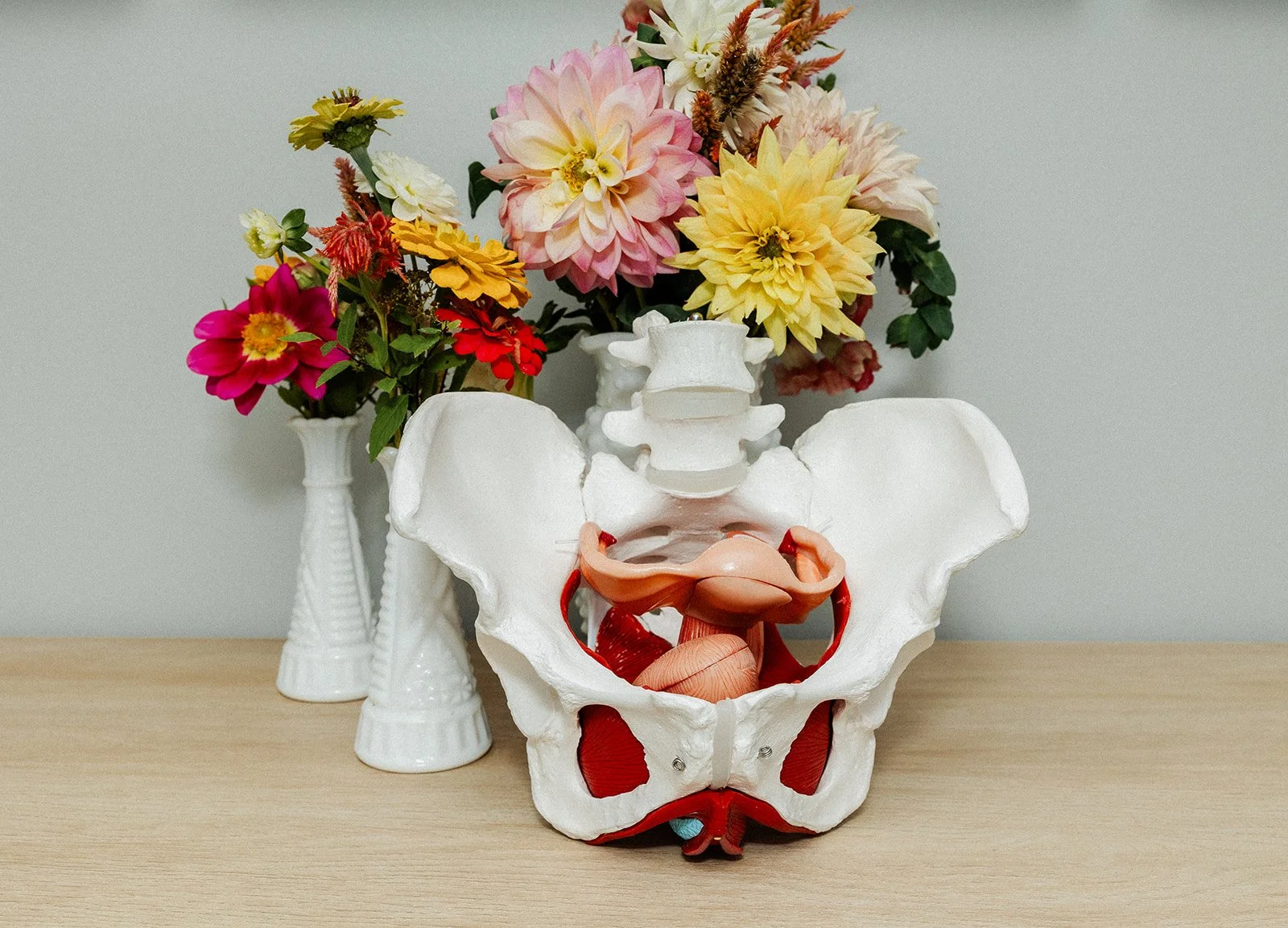
Your body is changing significantly during pregnancy, and your pelvic floor is part of that change. Some possible reasons for pelvic pressure during pregnancy may include:
Your growing uterus and baby placing more load on the pelvis and pelvic floor
Hormonal changes affecting muscles, joints, and connective tissue
Changes in posture and center of gravity
Changes in abdominal and pelvic floor function
Your baby's position
Increased intra-abdominal pressure
How your body manages pressure during exercise, lifting, coughing, or bowel movements
Is Pelvic Pressure During Pregnancy Normal?
Yes, some pelvic pressure can occur as your body adapts to pregnancy, especially as you get further along. But just because pelvic pressure is common doesn't mean you have to simply deal with it.
If you're experiencing pelvic pressure that is persistent, worsening, painful, or interfering with your ability to walk, exercise, sleep, work, care for your family, or go about your normal activities, it's worth discussing with your OB or midwife.
When Should You Talk to Your OB or Midwife?
Pelvic pressure isn't always a pelvic floor issue. Certain symptoms during pregnancy should be discussed with your OB or midwife to rule out pregnancy-related complications.
Contact your OB or midwife right away if you experience:
Sudden or severe pelvic pain or pressure
Vaginal bleeding or leaking fluid
Regular contractions or cramping, especially before 37 weeks
Pelvic pressure accompanied by fever or chills
New or worsening pelvic pressure, particularly if it feels like your baby is pushing down
Some of these symptoms may require immediate medical attention, so don't wait for a routine appointment. If you have severe symptoms or cannot promptly reach your provider, seek urgent medical evaluation.
Once pregnancy complications have been ruled out, persistent pelvic pressure, heaviness, or discomfort may be something a pelvic floor physical therapist can help address.
How Can Pelvic Floor Therapy Help With Pelvic Pressure During Pregnancy?
Pelvic floor therapy looks beyond where you're feeling the symptom to determine what may be contributing to the pressure. Your physical therapist will assess your whole body, including your posture, hip mobility, movement patterns (even how your foot is hitting the ground can have an impact on your symptoms!), breathing and pressure management, pelvic floor coordination, and core function.
From there, a treatment plan will be created that may include movement modifications, breathing strategies, positioning, pelvic support, appropriate strengthening or mobility exercises, and modifications for exercise and everyday activities.
Pelvic floor therapy during pregnancy also doesn't automatically mean doing Kegels. Depending on what's contributing to your symptoms, strengthening the pelvic floor may not be what your body needs.
Your treatment plan should be customized to you!
Can You Reduce Pelvic Pressure During Pregnancy?
While you may not be able to prevent pelvic pressure entirely, there are ways to reduce your symptoms and make everyday activities more comfortable.
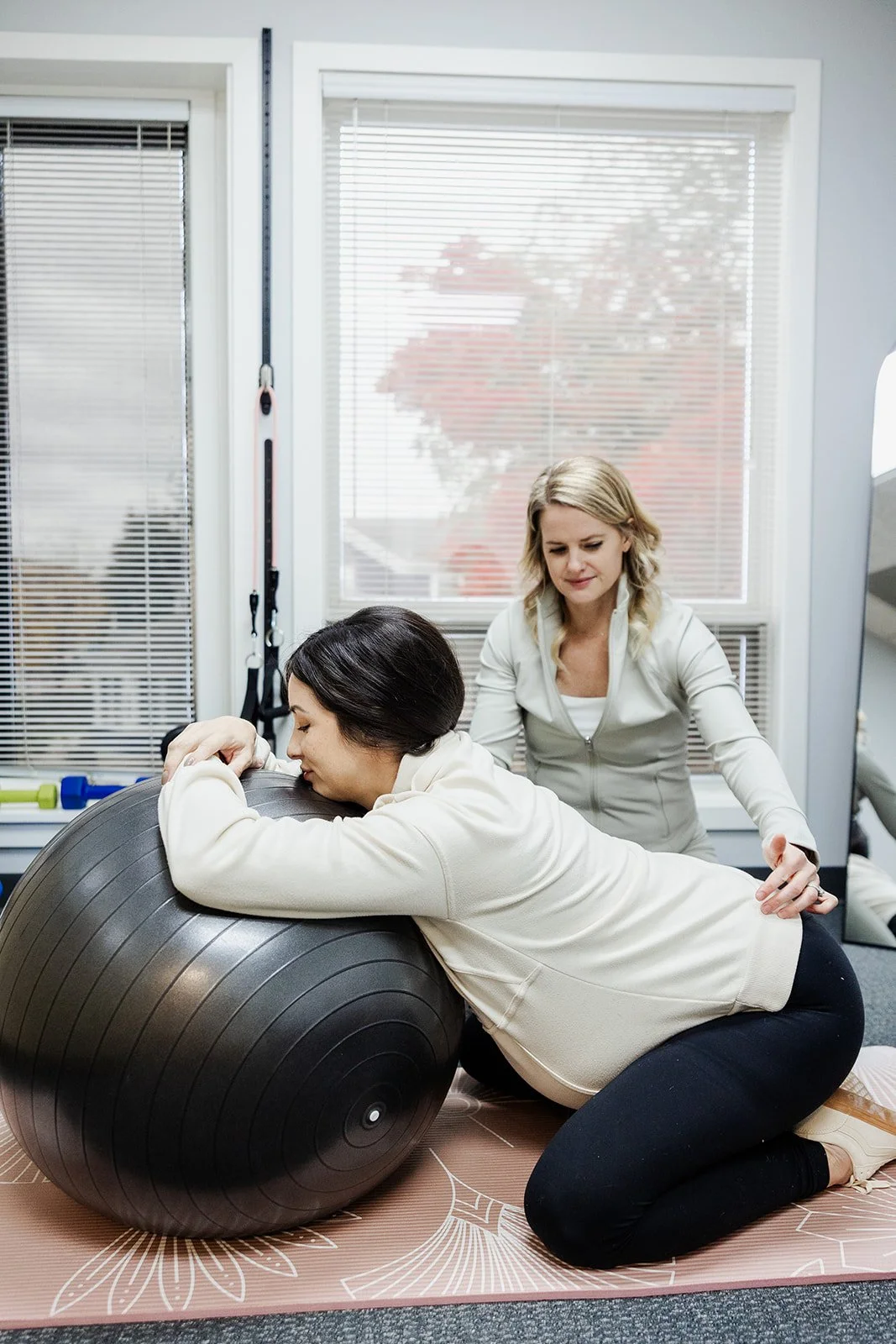
Changing positions throughout the day, taking breaks from prolonged standing, and modifying activities that increase pressure can all help. You may also benefit from exhaling during lifting or exertion rather than holding your breath, adjusting your exercise routine, or using pelvic support when appropriate.
Getting individualized guidance can help you find what works best for your body instead of simply pushing through discomfort.
When Should You Consider Pelvic Floor PT During Pregnancy?
Pelvic floor physical therapy can be beneficial during pregnancy, whether you're experiencing pelvic pressure or simply want to prepare your body for labor and delivery. It's never too early to begin pelvic floor physical therapy.
For birth, the pelvic floor needs to lengthen, relax, and coordinate, and learning what relaxation actually feels like can be so useful. Your physical therapist can help you learn how to coordinate your pelvic floor muscles for labor and delivery.
A pelvic floor physical therapist can guide you in techniques like perineal massage, breathing exercises, and labor positions to help you feel more prepared for delivery. If you have concerns about tearing, a history of trauma, or anxiety around birth, your physical therapist can provide education and strategies to help you feel more confident and prepared.
What to Expect at Chicago Mama Physical Therapy
With personalized pelvic floor therapy, our goal is to empower you to care for yourself and feel confident through your journey—and beyond.
Here's what you can expect:
One-on-one, hour-long sessions
A private, tranquil treatment room
Consistent care with the same therapist each visit
A specialist trained in pelvic health and pregnancy/postpartum care
A whole-body treatment approach tailored to your goals
We will provide a roadmap to help you reach your goals successfully. We'll get there together.
Next Steps
If you're ready to take the next step, we're here for you. Schedule your free discovery call to learn how pelvic floor therapy can support you during pregnancy.
If you’re in Barrington, IL or the surrounding Northwest suburbs, visit chicagomamapt.com/contact or call 312.554.5146.