Understanding Pelvic Organ Prolapse & How Physical Therapy Helps
Pelvic Organ Prolapse Therapy:
What It Is, Why It Happens, and How Pelvic Floor Physical Therapy Helps
Are you suffering with prolapse or have you had a history of heaviness or fullness in your pelvic floor? This uneasy feeling may bring up a lot of questions for you. At Chicago Mama Physical Therapy in Barrington, IL, we are here to help you! This article will define pelvic organ prolapse, common causes of it, and how pelvic floor therapy can be an integral part of your wellness journey.
What is Prolapse?
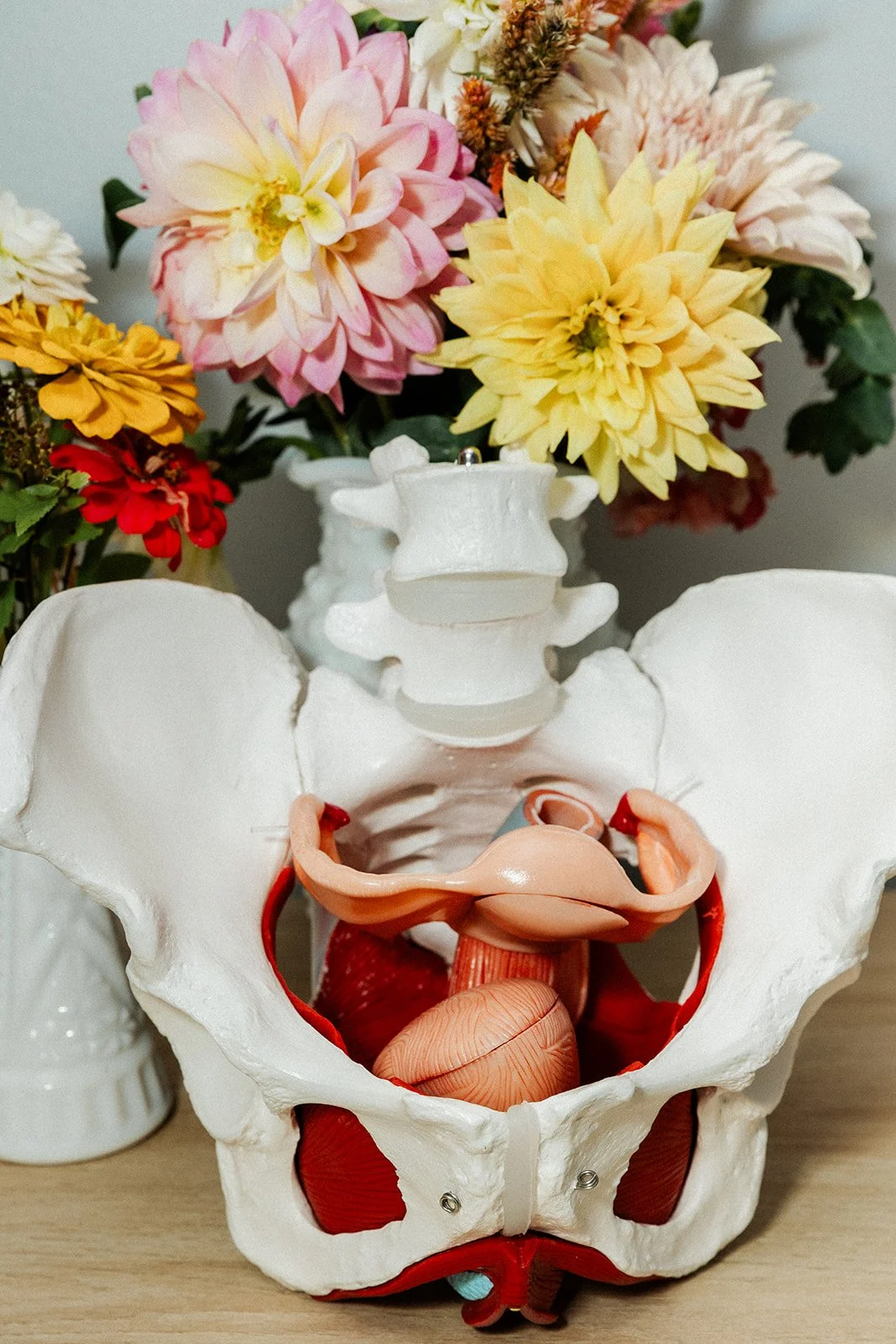
Your pelvic floor is a group of muscles that support organs in your pelvis like your bladder, bowel, and uterus. When your pelvic floor muscles weaken, ligaments get stretched or damaged, or you have impaired pressure management system, the organs may sag or bulge into the vagina, feeling like a "ball" or pressure/heaviness in the pelvis. You can also have symptoms of constipation, urinary symptoms (frequency, urgency, leakage, or incomplete emptying), or painful vaginal penetration.
What Causes Prolapse?
There are several reasons why someone may experience pelvic organ prolapse. Risk factors include pregnancy and childbirth, aging and menopause, chronic straining from constipation or coughing (e.g. COPD, asthma), obesity, a poor pressure management system, genetics, past pelvic surgeries.
There are different degrees of prolapse severity. The course of action can range from pelvic floor physical therapy only, use of a pessary (removable device inserted into the vagina to support pelvic organs that may have dropped), and surgery. If you are having surgery, pelvic floor therapy can be very helpful to do pre and post surgery.
How Pelvic Floor Therapy Helps Prolapse
Pelvic floor physical therapy can be critical to your recovery. Here's how physical therapy can help:
Pelvic floor muscle function- that includes both relaxing and strengthening (what it means + why it matters).
Hip, glute, and core strengthening for global support.
Pressure management: breath coordination, proper abdominal engagement (really a full body approach to activity from simple tasks like sit to stand to complex muti-systems tasks like jumping and running)
Strategies for chronic constipation and coughing.
Education on daily movement, lifting, alignment, and symptom-friendly habits.
Empowering you with a long-term plan for strength and support.
Conditions Connected to Prolapse
Learn more about other conditions that are connected to prolapse:
Diastasis recti (abdominal separation)
How Chicago Mama Physical Therapy Can Help
At Chicago Mama Physical Therapy, our focus is getting to the root cause of any issue. Pelvic organ prolapse is very treatable and manageable. Here is how our office stands out:
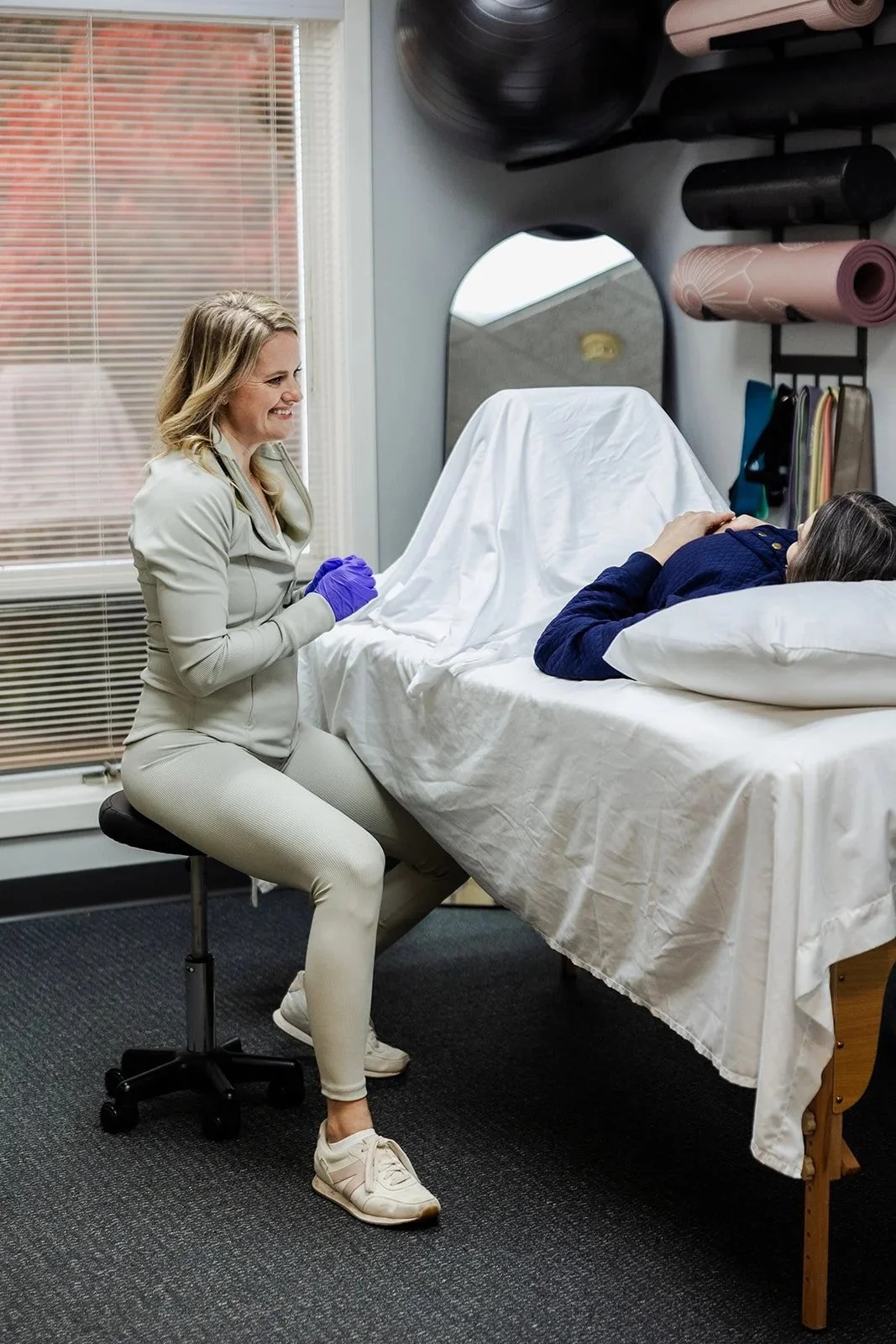
Dedicated attention for one-on-one sessions that last one hour and you will never be handed off to an aide
Treatment in the privacy and comfort of a tranquil private treatment room rather than a busy physical therapy gym
You will always be seen by the same physical therapist instead of seeing different practitioners each visit
Your therapist is specialized in the field of pelvic health and physical therapy
We will treat you as a whole person looking not only at your prolapse but the rest of you with a focus on helping you understand and prioritize your goals
You do not have to live with discomfort — healing is possible.
Next Steps for Healing
If you’re ready to take the next step in managing pelvic organ prolapse, we’re here to support you. Schedule your free discovery call today to learn how pelvic floor therapy can support you on your healing journey.
If you’re in Barrington, IL or the surrounding Northwest suburbs, visit chicagomamapt.com/contact or call 312.554.5146.