Pelvic Floor Therapy for Urinary Leakage: How it Helps
One of the most common—but not normal— things we see on a daily basis is women dealing with leaking urine when they sneeze, cough, jump, lift, or run. Urinary leakage is typically an indicator that your pelvic floor needs more support. In this article, we’ll discuss why urinary leakage occurs and how pelvic floor therapy for urinary leakage can help eliminate this annoying occurrence.
What is Urinary Leakage?
Urinary leakage is when you leak urine involuntarily. Two out of three women have a lifetime risk of experiencing urinary incontinence. Leakage increases as we age; however, anyone can experience symptoms at any time. It is often underreported and underdiagnosed because women assume it is a normal part of the aging process. It is not a normal part of aging, and while it may not be life-threatening, it can negatively impact your quality of life.
What are Some Contributing Factors?
Pregnancy and childbirth
Hormonal changes (perimenopause/menopause)
High-impact exercise
Chronic constipation or straining
Core weakness or poor pressure management
Stress vs. Urge Incontinence — What’s the Difference?
If you are leaking when you cough, sneeze, jump, run, or lift, this may be stress urinary incontinence. Leakage is triggered by physical pressure or exertion. If you experience a sudden, strong urge to urinate with difficulty holding it, this may be urge incontinence. Some women experience a mix of both types, and pelvic floor therapy can help address both.
How Pelvic Floor Therapy Improves Bladder Control
The pelvic floor is a bowl of muscles that supports the organs in the pelvis. When these muscles become weak, too tight, or stop working together properly, urinary leakage can occur.
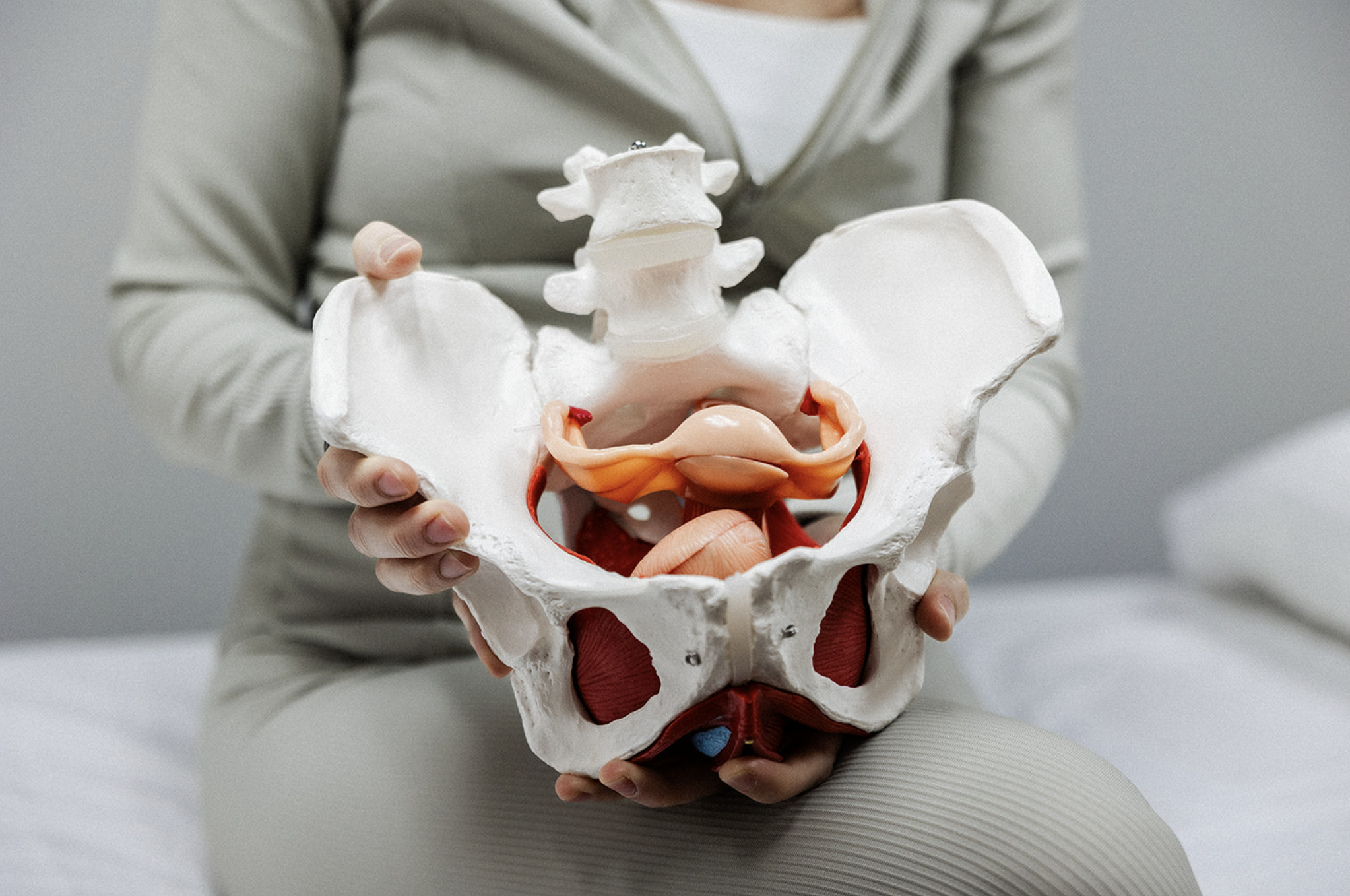
Pelvic floor physical therapy can help retrain muscles that aren’t functioning optimally by restoring coordination between your breath, core, and pelvic floor—allowing you to regain better bladder control. Most people see meaningful improvement within a few visits to a couple of months when they follow their individualized treatment plan.
Pelvic floor physical therapy for urinary leakage focuses on:
Strength and coordination of the pelvic floor
Core and breathing mechanics
Pressure management during daily activities and exercise
Addressing muscle tightness, not just weakness
Addressing underlying hip and back related issues or weakness
Bowel and bladder strategies
Modifying exercise to be more efficient or changes in biomechanics to set the pelvic floor up for better function
Treatment is individualized and often leads to fewer leaks and improved bladder control. We frequently hear from patients who have changed their lifestyles to accommodate urinary leakage—and that is not necessary. Help is available.
When to See a Pelvic Floor Physical Therapist for Urinary Leakage
Here are a few signs it may be time to seek care:
Leaking during exercise or daily activities
Wearing pads “just in case”
Avoiding movement due to fear of leaks
Symptoms persisting months or years after childbirth
The good news? It’s never too late to get help.

What to Expect at Chicago Mama Physical Therapy
At Chicago Mama Physical Therapy, we do not believe you need to live with urinary leakage. We want to empower you to say YES to taking care of yourself and join you on your journey toward healing.
What you’ll experience at Chicago Mama Physical Therapy:Dedicated attention for one-on-one sessions that last one hour and you will never be handed off to an aide
One-on-one, hour-long sessions with no hand-offs to aides
Treatment in a private, tranquil treatment room
Consistent care with the same physical therapist each visit
A therapist specialized in pelvic health and pregnancy/postpartum care
A whole-body approach focused on your personal goals
A clear roadmap to help you succeed—we’ll get there together
Next Steps for Healing
If you’re ready to take the next step in managing urinary leakage, we’re here for you. Schedule your free discovery call today to learn how pelvic floor therapy for urinary leakage can support your healing journey.
If you’re in Barrington, IL or the surrounding Northwest suburbs, visit chicagomamapt.com/contact or call 312.554.5146.