How PCOS Impacts Your Pelvic Floor — And What You Can Do About It
Polycystic Ovary Syndrome
PCOS, or Polycystic Ovary Syndrome, affects 13 in 100 reproductive-aged women. It is caused by a hormone imbalance and the most common symptoms of PCOS are:
Irregular periods
Longer menstruations cycles (e.g. 35 days)
Glucose intolerance
Difficulty losing weight
Excess hair growth
Difficulty getting pregnant
If you found this blog post, chances are you have been diagnosed with PCOS or experiencing some of the above symptoms. At Chicago Mama Physical Therapy, our goal is to educate patients on the important role that pelvic floor therapy can play in managing your PCOS symptoms.
While there is no cure for PCOS, symptoms can change throughout your life and after menopause, the symptoms resolve. What many people don't realize is that PCOS can impact your pelvic floor health and increase your chances of pelvic floor dysfunction. Pelvic floor therapy can greatly improve the quality of life with someone living with PCOS.
How Pelvic Floor Therapy Can Help You
Pelvic floor physical therapy focuses on restoring balance, coordination, and mobility to the pelvic floor muscles — a system heavily influenced by hormonal changes, inflammation, abdominal pressure, and pain common in PCOS.
Pelvic floor therapy can help with:
Pelvic or lower abdominal pain
Painful ovulation
Bloating-related pelvic pressure
Constipation from hormonal or pelvic floor dysfunction
Core weakness or instability
Tight or overactive pelvic floor muscles
Low back or hip discomfort
What To Expect At Chicago Mama Physical Therapy
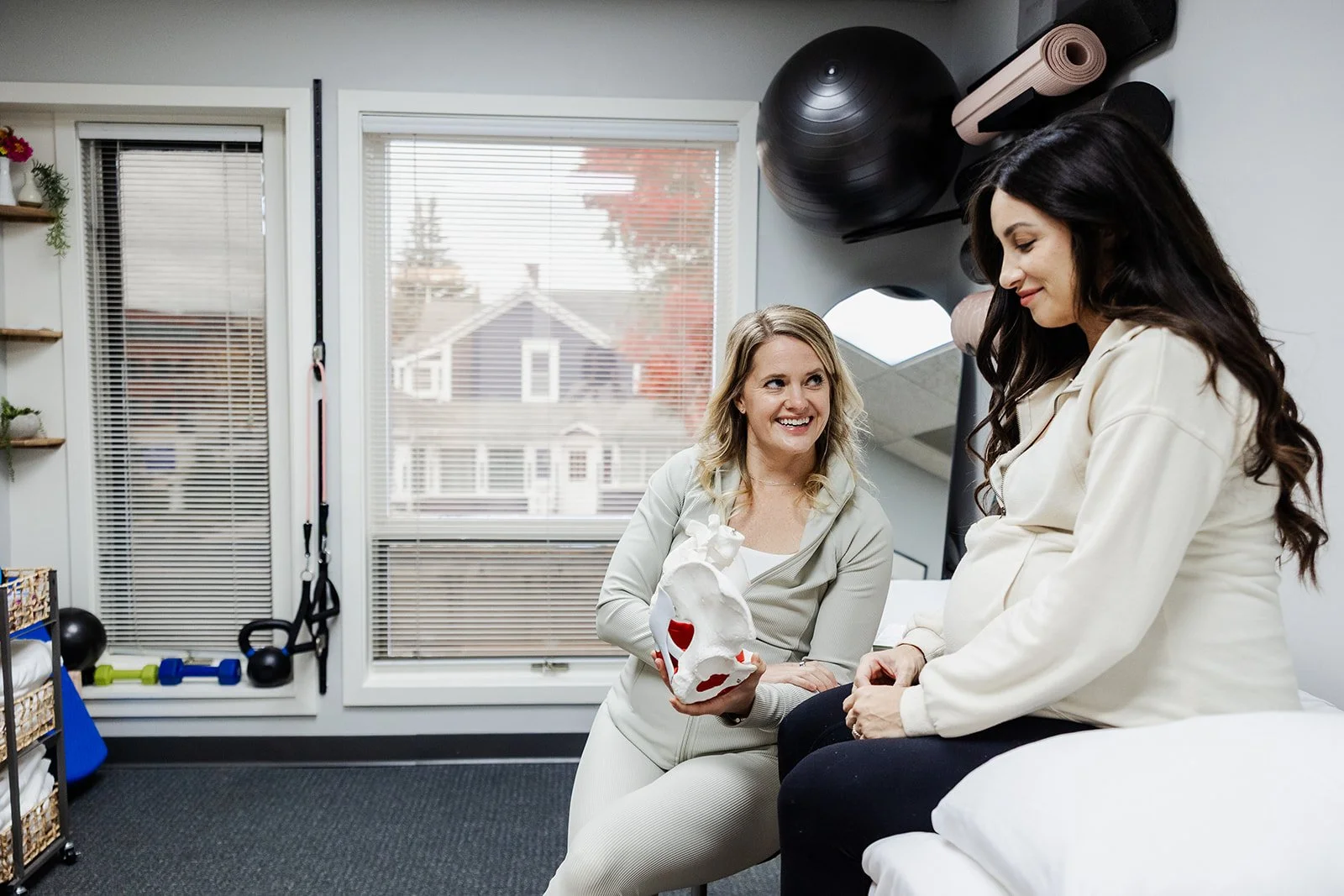
At Chicago Mama Physical Therapy, we focus on getting to the root cause of your symptoms and helping you regain confidence and comfort in your body. Pelvic floor therapy for PCOS may include:
Gentle internal and external manual therapy
Abdominal massage and mobility work
Nervous system regulation
Breathwork and pressure management
Exercises that support hormonal balance and stability
Education tailored to PCOS-related changes
Here’s what makes our care different at Chicago Mama Physical Therapy:
Dedicated attention for one-on-one sessions that last one hour and you will never be handed off to an aide
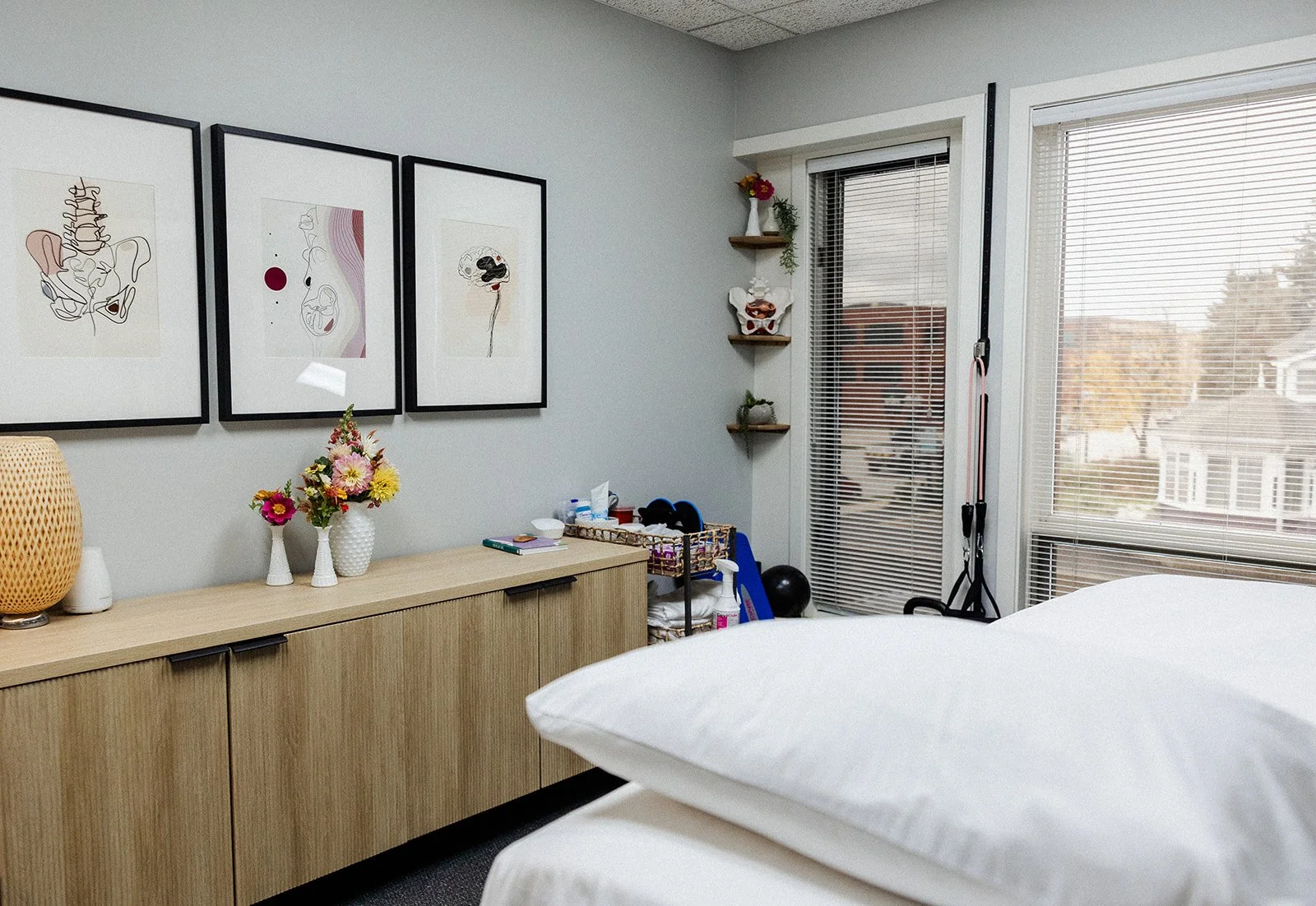
Treatment in the privacy and comfort of a tranquil private treatment room rather than a busy physical therapy gym
You will always be seen by the same physical therapist instead of seeing different practitioners each visit
Your therapist is specialized in the field of pelvic health and physical therapy
We will treat you as a whole person looking not only at your pelvis but the rest of you with a focus on helping you understand and prioritize your goals
We will provide a road map to reach your goals successfully; we’ll get there together!
You do not have to live with pain — healing is possible.
FAQ: PCOS & Pelvic Floor Therapy
Can pelvic floor therapy regulate my menstrual cycle?
Pelvic floor therapy does not directly regulate hormones or change your menstrual cycle. However, it can reduce symptoms that worsen during different phases of your cycle—like bloating, pelvic pain, constipation, and back pain—making your cycles more manageable overall.
Do I need an official PCOS diagnosis to see a pelvic floor physical therapist?
No. If you’re experiencing pelvic pain, constipation, painful intercourse, urinary issues, or abdominal pressure, you can start pelvic physical therapy right away. Your therapist can work alongside your medical providers if you’re still in the diagnostic process.
How long does it take to see improvements?
Most people begin noticing changes within 4–6 sessions, though long-standing pelvic pain or chronic constipation may take longer. Your physical therapist will provide a personalized plan so you know what to expect.
Can pelvic floor therapy help with painful sex?
Yes. Painful sex is common in people with PCOS due to hormonal fluctuations, inflammation, or tight pelvic floor muscles. Pelvic pelvic floor therapy can improve muscle relaxation, blood flow, comfort, and overall pelvic mobility.
Does pelvic floor therapy help with bloating or abdominal pressure?
Absolutely. Bloating is common with PCOS and can push pressure downward onto the pelvic floor. Pelvic PT helps improve abdominal mobility, breathing patterns, and pressure management so your body handles bloating more comfortably.
Can pelvic floor dysfunction make PCOS symptoms worse?
Yes. A tight or uncoordinated pelvic floor can increase pain, worsen constipation, and make movement uncomfortable. Improving pelvic floor function often reduces overall symptom burden.
Is pelvic floor therapy safe if I'm trying to get pregnant?
Yes. Pelvic floor therapy is safe and supportive during preconception. It can improve pelvic alignment, mobility, blood flow, and overall pelvic health, helping prepare your body for pregnancy.
Next Steps for Healing
If you’re ready to take the next step in managing PCOS symptoms, we’re here to support you. Schedule your free discovery call today to learn how pelvic floor therapy can support you on your healing journey.
If you’re in Barrington, IL or the surrounding Northwest suburbs, visit chicagomamapt.com/contact or call 312.554.5146.