What Is a Hypertonic Floor? Signs, Symptoms & Treatment
What Is the Pelvic Floor?
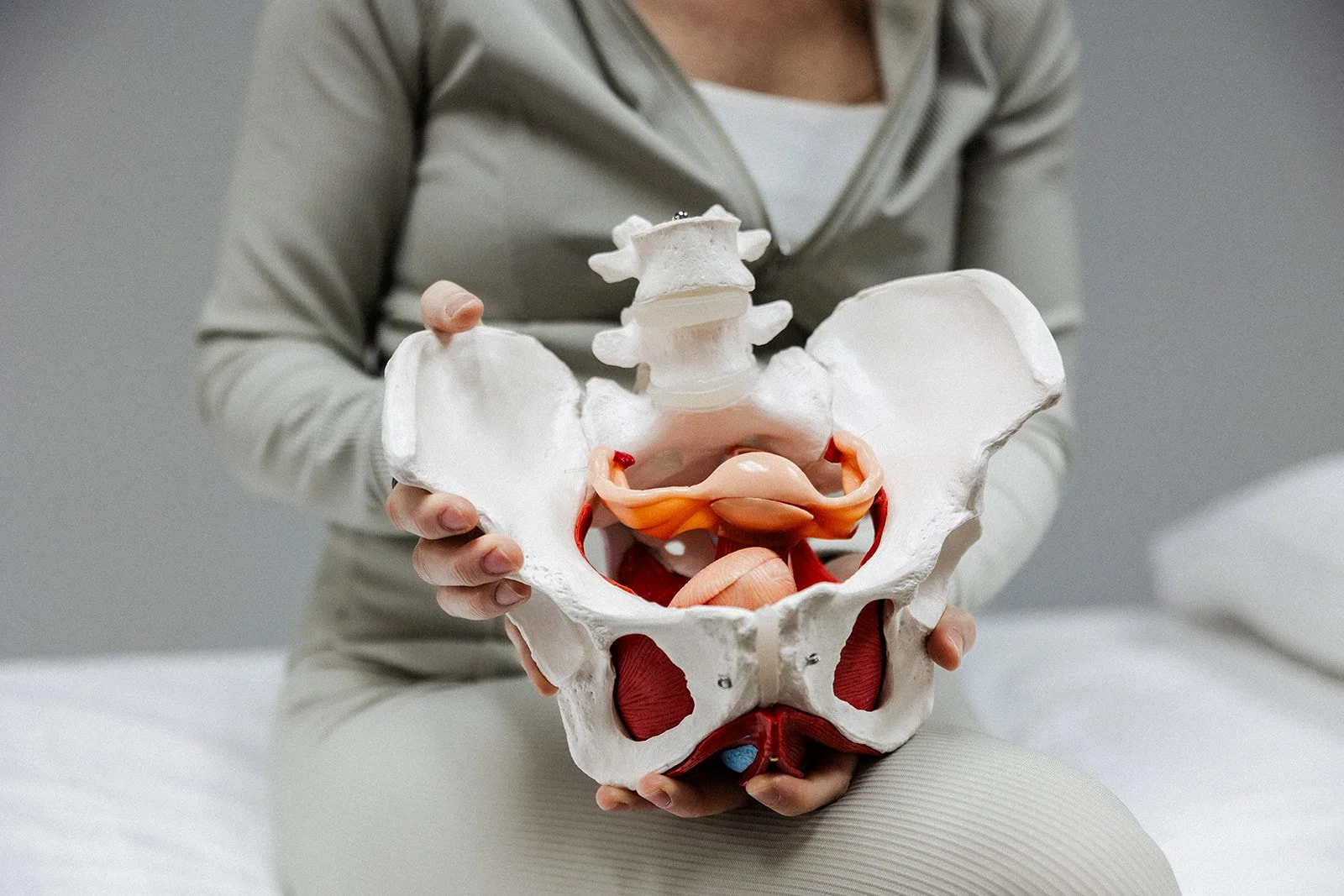
The pelvic floor is a group of muscles that support organs in your pelvis like your bladder, bowel, and uterus. These muscles are vital for everyday bodily functions and overall physical stability.
Many people associate pelvic floor problems with a weak pelvic floor, but a tight pelvic floor can be just as dysfunctional. This article will give an overview of a hypertonic pelvic floor and how pelvic floor physical therapy can help.
What Is a Hypertonic Pelvic Floor?
In simple terms, a hypertonic pelvic floor means you have too much tension in your pelvic floor. Ideally, the pelvic floor is supposed to relax and contract appropriately. Hypertonic means your pelvic floor is essentially "stuck" in a contracted or spasm-like state, making it difficult for the muscles to fully relax.
Symptoms of a Hypertonic Pelvic Floor
Many times, patients do not realize they have a hypertonic pelvic floor. They may experience one or more of the following symptoms:
Urinary Symptoms
Urgency
Frequency
Difficulty fully emptying the bladder
Feeling like you constantly need to urinate
Pelvic Floor Tension
Pelvic floor muscle tightness
Feeling of pressure, tension, or gripping
Pain Symptoms
Pain in the pelvis, hips, tailbone, lower back, or abdomen
Discomfort when sitting for long periods
Difficulty tolerating penetration
Bowel Symptoms
Straining during bowel movements
Feeling unable to fully empty the bowels
What Causes a Hypertonic Pelvic Floor
A hypertonic pelvic floor can develop for a variety of reasons. Often, the muscles become tight in response to stress, pain, injury, or repetitive patterns of muscle tension. Common pelvic pain causes and contributors to a hypertonic pelvic floor include:
Chronic stress and anxiety, which can lead to unconscious muscle guarding and tension.
Past injuries, surgery, or childbirth experiences that affect the muscles and tissues of the pelvis.
Habitual muscle clenching, such as constantly holding in the stomach or tightening the pelvic floor throughout the day.
High-intensity exercise or athletic training, which may contribute to increased muscle tension in some individuals.
Chronic pain conditions such as endometriosis, interstitial cystitis, and chronic pelvic pain.
In many cases, multiple factors may contribute to pelvic floor muscle tightness, making a thorough evaluation important for identifying the underlying causes and developing an effective treatment plan.
How Is a Hypertonic Pelvic Floor Diagnosed?
At Chicago Mama Physical Therapy, we perform a thorough evaluation during your initial 60-minute visit. We'll review your symptoms and medical history and assess your pelvic floor muscle coordination, tension, and function. Our goal is to identify the root cause of your symptoms so you can experience lasting relief.
How Pelvic Floor Physical Therapy Can Help
Pelvic floor physical therapy can help relax overactive muscles while teaching you how to contract and relax appropriately. Treatment may include breathing strategies, posture education, stress management techniques, and movement modifications tailored to your needs and goals.
Can Pelvic Floor Exercises Make Symptoms Worse?
You’ve probably heard that kegels are the go-to exercise for pelvic floor health—but that’s not always the full story. Kegels are not right for everyone, and in some cases, they can even worsen symptoms.
That’s why we take a personalized approach, creating a treatment plan based on your body and your needs. It's important to determine whether the pelvic floor muscles are weak, tight, or both.
When done correctly, pelvic floor physical therapy can help reduce tension, improve function, and help you return to activities with greater comfort and confidence.

When Should You See A Pelvic Floor Physical Therapist?
It's never too late (or too early!) to see a pelvic floor physical therapist. You may benefit from seeking professional help if you are experiencing:
Persistent pelvic pain
Pain during intimacy
Ongoing urinary or bowel symptoms
Constant tension in the pelvic area
Symptoms affecting your daily life
What to Expect at Chicago Mama Physical Therapy
With personalized pelvic floor therapy, our goal is to empower you to care for yourself and feel confident through your journey—and beyond.
Here's what you can expect:
One-on-one, hour-long sessions
A private, tranquil treatment room
Consistent care with the same therapist each visit
A specialist trained in pelvic health and pregnancy/postpartum care
A whole-body treatment approach tailored to your goals
We will provide a roadmap to help you reach your goals successfully; we'll get there together.
Next Steps for Healing
If you’re ready to take the next step, we’re here for you. Schedule your free discovery call to learn how pelvic floor therapy can support you on your healing journey.
If you’re in Barrington, IL or the surrounding Northwest suburbs, visit chicagomamapt.com/contact or call 312-554-5146.